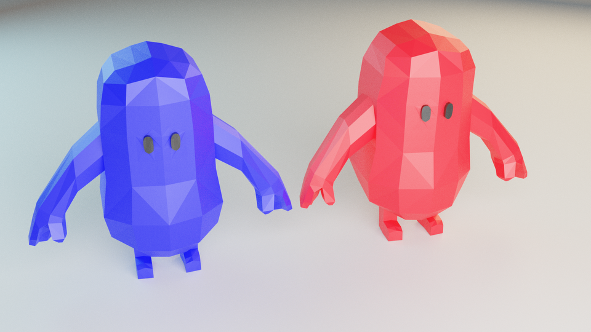
PolyTeam - 3D Co-op Platformer
Solo Developer • 1 Week (Brackeys Game Jam 2021.1) • Theme: "Stronger Together"
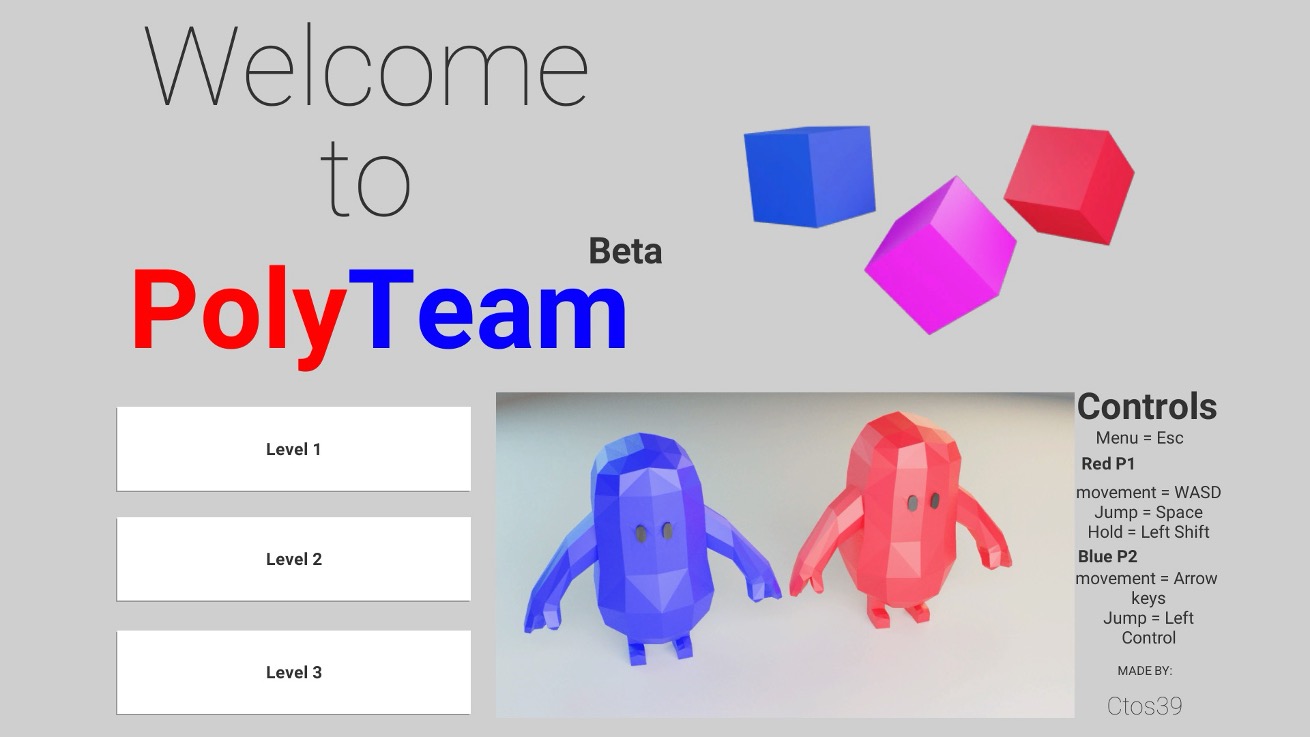
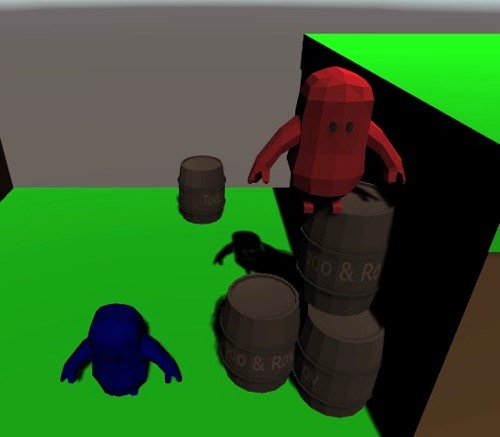
This project represents my foundational step into software architecture and 3D environment design, developed independently during a rigid one-week game jam. Built from scratch, PolyTeam is a two-player 3D platformer focused on cooperative physical puzzle-solving. The core gameplay loop requires players to navigate parkour elements and collaboratively stack physics-based objects, like barrels, to progress through levels.
Technical Stack
- Game Engine: Unity
- Programming: C# via Visual Studio
- 3D Modeling & Rendering: Blender
- Texturing & 2D Assets: GIMP
C# Scripting & Physics Logic
I architected custom scripts to handle player controllers, user interfaces, dynamic game objects, and camera tracking.
- Input & State Management: Implemented
frame-rate dependent input polling within the
Update()method to ensure highly responsive player controls. To prevent infinite jumping, I utilizedPhysics.CheckSphereto cast a detection radius at the player's base, accurately verifying ground contact before allowing subsequent jumps. - Physics Application: Separated physics
calculations into the
FixedUpdate()method to ensure consistent behavior regardless of frame rate drops. Movement was applied using Rigidbody velocity adjustments, and jumping utilizedAddForcewithForceMode.VelocityChangefor snappy, predictable platforming. - Dynamic Camera System: Engineered a custom camera tracking script that calculates the midpoint between Player 1 and Player 2 in real-time, averaging their X and Y coordinates to keep both characters cleanly in the frame.
Engine Architecture (Unity)
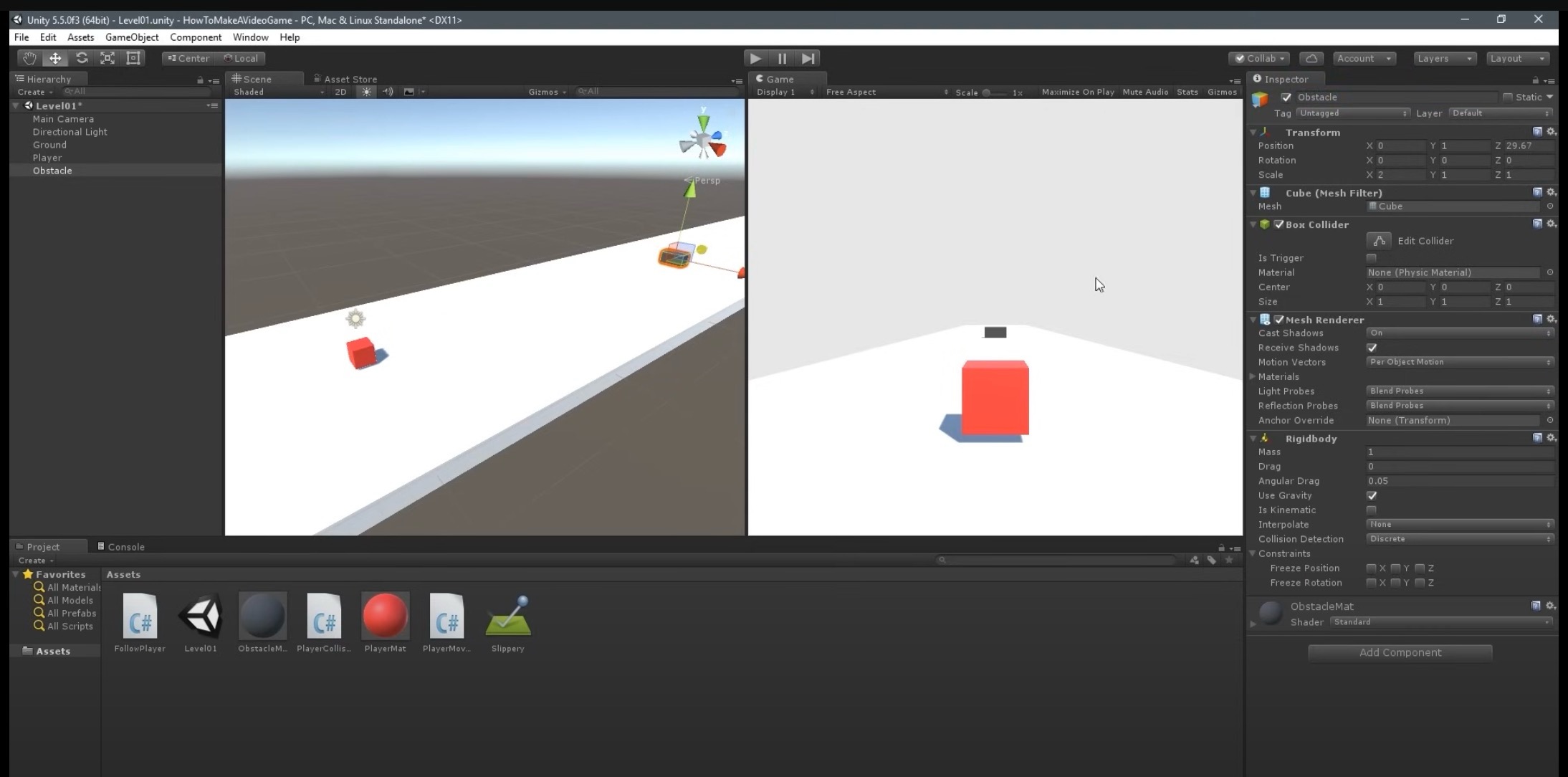
- Scene Management: Structured a multi-level progression system with dedicated UI screens, integrating level transitions and audio management.
- Component Assembly: Assigned precise physics materials to control friction and bounciness, ensuring the barrel-stacking mechanics felt weighty and deliberate.
- Object Hierarchy: Leveraged parent-child transformations within the Unity hierarchy to handle the "pick up" mechanic, allowing players to attach colliders and objects to their character models dynamically.
3D Asset Pipeline
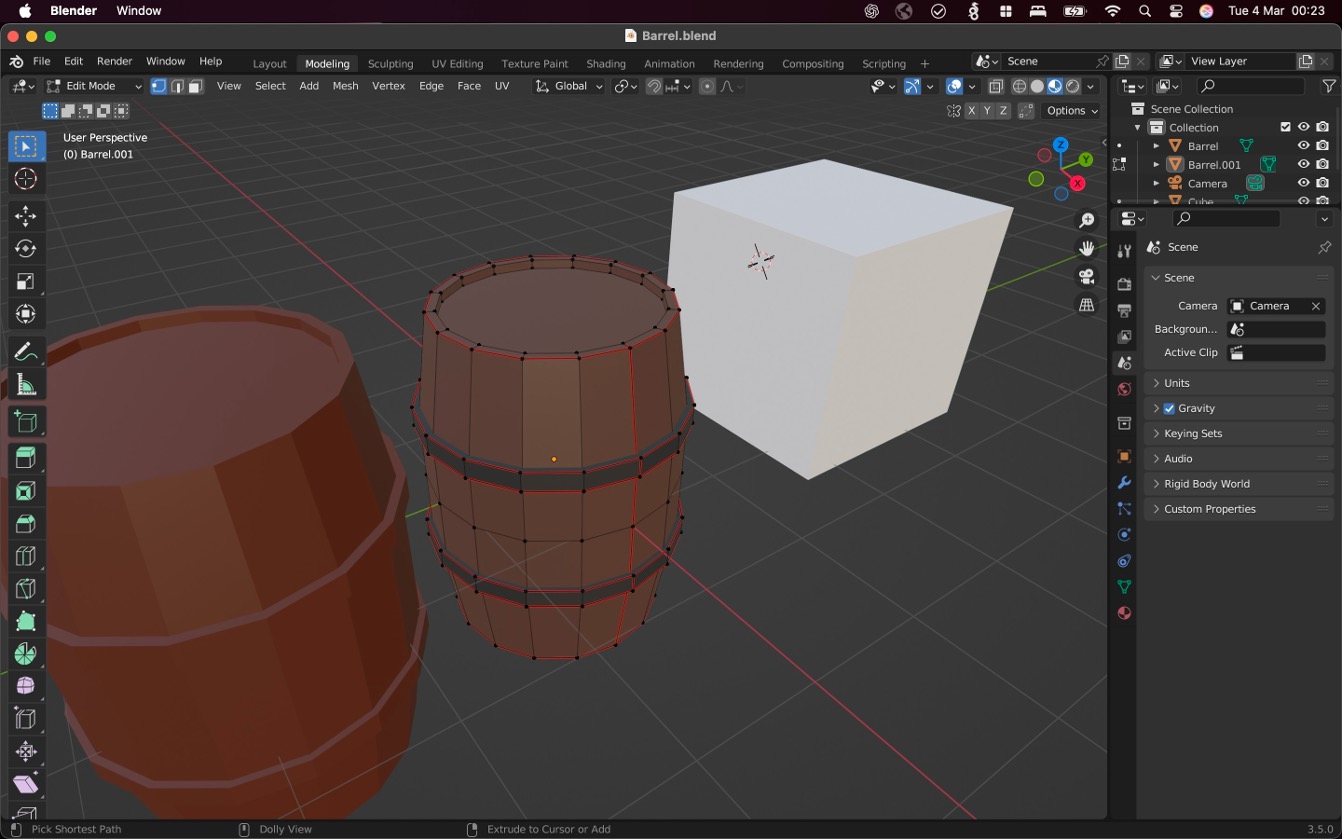
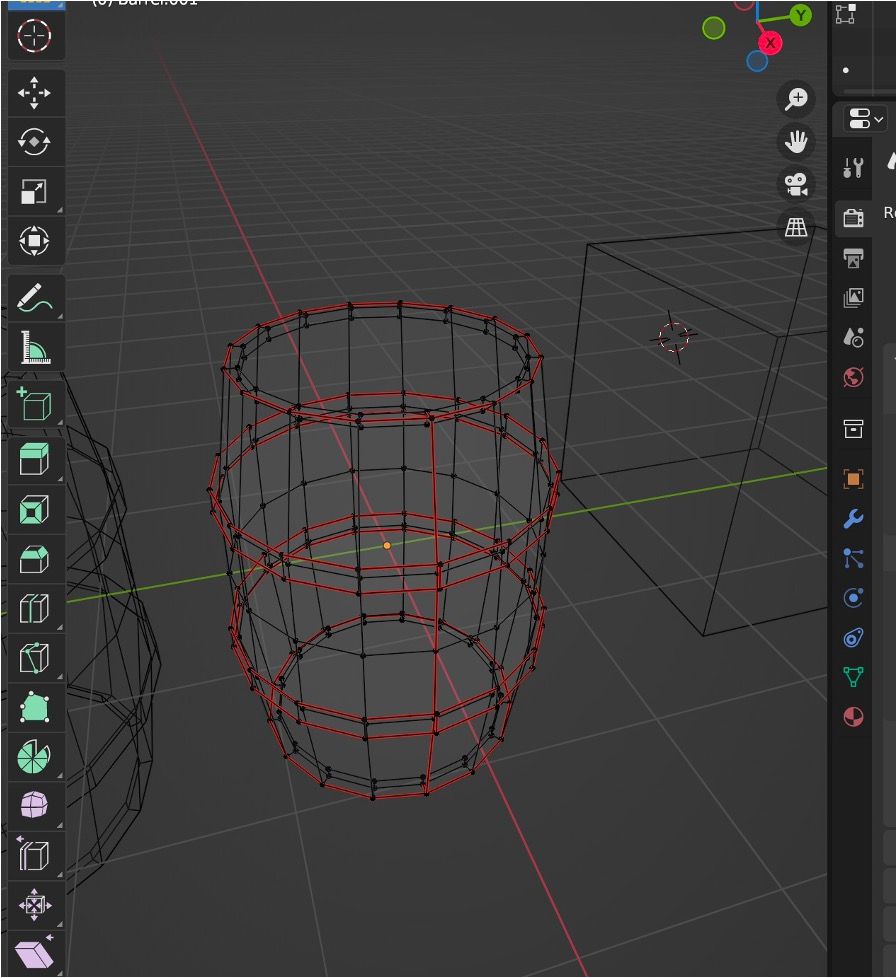
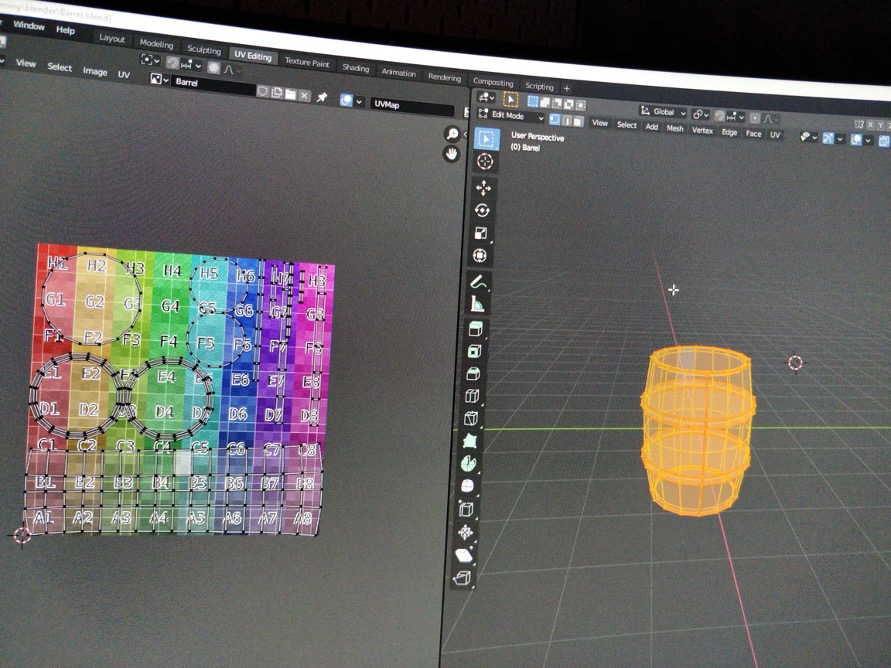
- Low-Poly Modeling: Designed and modeled original, low-poly character assets and environment props using Blender. The workflow involved extruding, subdividing, and manipulating vertices from primitive shapes while strictly maintaining a triangulated mesh for engine performance.
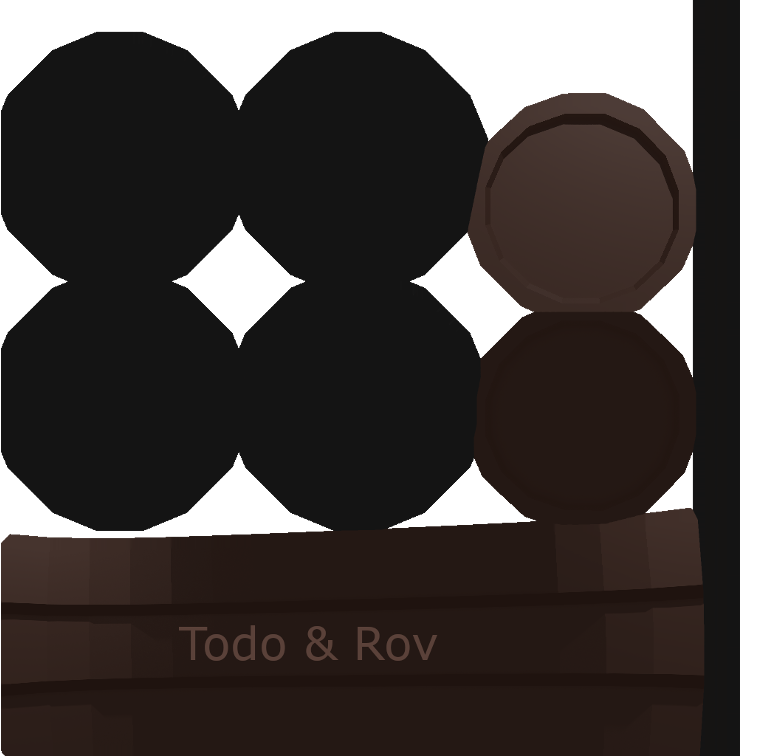
- Texturing Workflow: Executed complete UV unwrapping and texture baking processes in Blender, utilizing GIMP to create the color palettes and apply custom text decals to the models.
Key Takeaways
Developing PolyTeam under a strict one-week deadline served as a crash course in project scoping, debugging, and cross-application workflows. It laid the groundwork for my understanding of object-oriented programming in a visual environment, system hierarchies, and the physics simulations that I now apply to more complex electronic and computer systems engineering.